

Femdom 101: A Beginner’s Guide to Female Domination











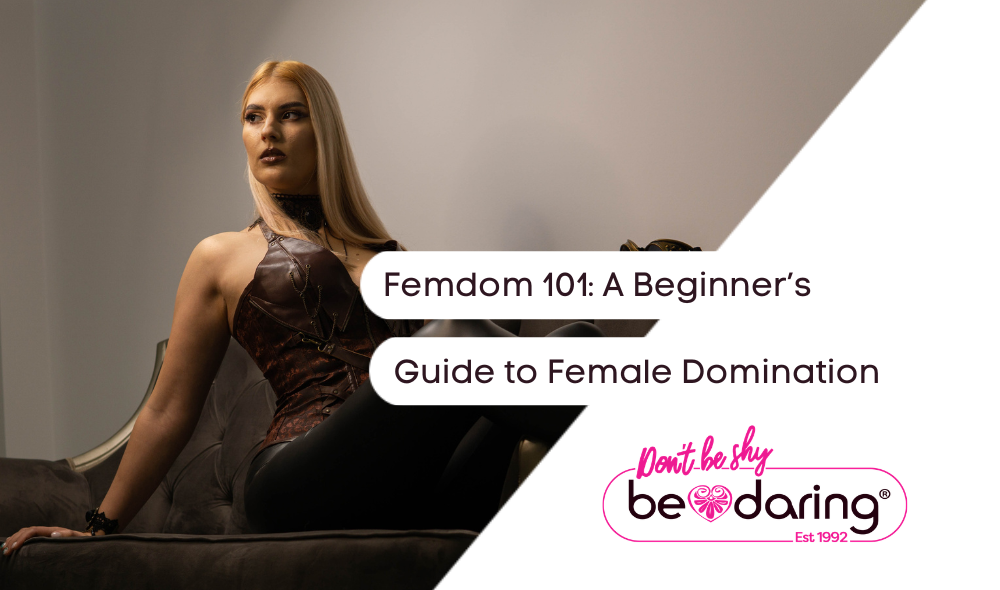
Female domination, often called Femdom, is one of the fastest-growing areas of modern BDSM exploration. Yet despite its popularity, many beginners still misunderstand what Femdom actually is.
For some, the fantasy revolves around control, surrender, teasing, obedience, or role reversal. For others, it’s less about strict power dynamics and more about confidence, trust, anticipation, and stepping outside traditional bedroom expectations.
And despite what mainstream stereotypes suggest, real Femdom rarely looks like a cold, aggressive performance.
In reality, the most powerful Femdom experiences are often:
- sensual
- playful
- psychologically immersive
- emotionally connected
- deeply communicative
- built on trust rather than intimidation
At its core, female domination is not about cruelty or humiliation unless both partners specifically enjoy those dynamics. It’s about consensual power exchange. One person leads. One person surrenders. And together, both create an experience built around tension, anticipation, control, and pleasure.
For many couples, Femdom becomes less about “acting dominant” and more about unlocking confidence, vulnerability, and entirely new layers of intimacy together.
This beginner’s guide explores what Femdom actually involves, why so many couples are curious about it, and how to explore female domination comfortably, confidently, and without unnecessary pressure.
What Is Femdom?
Femdom stands for female domination, a consensual power dynamic where the woman takes the dominant role during intimacy, BDSM play, or relationship dynamics.
That dominance can range from:
- playful teasing
- verbal control
- sensual commands
- bondage and restraint
- roleplay
- orgasm control
- structured dominance and submission dynamics
For some couples, Femdom exists purely in the bedroom. For others, elements of dominance and submission extend into daily life through rituals, language, rules, or emotional dynamics.
Importantly, Femdom is not about “being mean.”
The most effective Dominant women are usually:
- confident
- emotionally aware
- communicative
- patient
- attentive to their partner’s responses
Real dominance often feels calm, controlled, teasing, and deliberate rather than aggressive or theatrical.
Why Are So Many Couples Exploring Femdom?
Traditional intimacy often places men in the dominant role automatically. Femdom flips that expectation entirely, which creates excitement for many couples psychologically as well as physically.
For submissive partners, the appeal often comes from:
- surrender
- anticipation
- vulnerability
- obedience
- release from control
- heightened psychological tension
For dominant women, the appeal may come from:
- confidence
- empowerment
- teasing control
- emotional leadership
- guiding pleasure intentionally
- seeing their partner surrender willingly
Many couples discover that Femdom creates stronger communication because desires, boundaries, and fantasies need to be discussed openly.
That openness often deepens intimacy far beyond the physical experience itself.
Femdom Starts With Confidence, Not Costumes
One of the biggest beginner misconceptions is believing you need elaborate outfits, scripts, or extreme BDSM gear to explore female domination properly.
You don’t.
In reality, confidence is usually the most powerful part of Femdom.
Sometimes dominance begins with:
- sustained eye contact
- slower speech
- teasing instructions
- controlling pacing
- directing touch
- making someone wait
- and introducing playful sensory teasing that heightens anticipation naturally.
That subtle psychological tension often feels far more powerful than trying to immediately recreate an exaggerated fantasy scene.
For beginners, simpler is usually better. The goal is not performance.
The goal is creating tension, anticipation, trust, and emotional excitement together.
Sensory Play Creates Anticipation Without Intensity
Many beginners discover that sensory play is one of the easiest ways to explore dominance and submission without feeling overwhelmed. Simple tools that limit sight or heighten awareness can dramatically increase anticipation while allowing both partners to remain relaxed and fully engaged.
Because Femdom often revolves around tension, expectation, and psychological excitement, sensory play can create powerful experiences without requiring complex BDSM skills or advanced equipment.
Communication Is the Foundation of Good Femdom
Every healthy Femdom dynamic starts with communication.
Before introducing dominance or submission, both people should feel comfortable discussing:
- fantasies
- boundaries
- comfort levels
- hard limits
- curiosity
- safewords
- what feels exciting versus intimidating
These conversations do not ruin the mood. They create the safety that allows both people to fully relax into the experience later.
Good Dominants pay attention constantly:
- body language
- breathing
- emotional response
- tension levels
- enthusiasm
- comfort changes
The best Femdom experiences feel collaborative underneath the power exchange, even when the dynamic itself feels controlling or submissive.
Common Beginner Femdom Dynamics
Femdom is incredibly diverse. Not every couple wants the same experience.
Some common beginner-friendly dynamics include:
Teasing & Denial
Building anticipation through controlled pleasure, delayed gratification, or playful refusal.
Verbal Dominance
Commands, praise, instructions, or controlling the pace of intimacy verbally.
Bondage & Restraint
Using cuffs, restraints, or blindfolds to create surrender and anticipation physically.
Service Submission
The submissive partner focuses on pleasing, serving, or following instructions.
Role Reversal
Exploring psychological shifts where the woman leads physically or emotionally.
Sensory Play
Using touch, temperature, blindfolds, feathers, or teasing tools to heighten sensation and vulnerability.
The key is discovering which dynamics feel exciting for both people rather than trying to force a specific fantasy style.
Best Beginner Toys for Femdom
You do not need an entire dungeon to explore female domination.
Many beginner couples start with:
- blindfolds
- cuffs or restraints
- paddles
- collars
- teasing accessories
- sensory toys
- clitoral vibrators
- remote-control toys
- beginner bondage kits
For many Dominants, psychological control becomes even more powerful when combined with teasing tools that heighten anticipation gradually.
Products like:
- emote-control vibrators
- app-controlled vibrators
- and beginner-friendly bondage accessories allow couples to explore control and surrender in playful, approachable ways without immediately moving into more intense BDSM territory.
Restraints Help Create Trust & Surrender
For many couples, restraints provide a simple introduction to power exchange by creating a clear physical representation of control and surrender. Beginner-friendly cuffs and restraint systems allow couples to explore vulnerability, anticipation, and trust in a way that feels approachable rather than intimidating.
The key is not restriction for its own sake. It’s creating an experience where both partners can relax into their chosen roles while maintaining comfort, communication, and complete consent throughout the experience.
The Psychology of Submission
One of the most misunderstood parts of Femdom is submission itself.
Submission is not weakness.
For many submissive partners, surrender feels:
- relieving
- emotionally freeing
- intensely exciting
- psychologically immersive
- deeply trusting
The submissive partner is not “less important.” In healthy BDSM dynamics, both people shape the experience together.
Submission often involves:
- vulnerability
- trust
- anticipation
- emotional openness
- and immersive psychological tension built through teasing control and surrender.
And many couples are surprised by how emotionally intimate that dynamic becomes over time.
How to Start Exploring Femdom Slowly
The best beginner Femdom experiences usually start subtly.
Rather than jumping immediately into intense scenes, many couples begin with:
- verbal teasing
- slower commands
- controlling pacing
- blindfolds
- restrained hands
- making the submissive partner ask permission
- or introducing beginner-friendly restraint and bondage play gradually.
This slower progression allows:
- comfort to build naturally
- confidence to grow
- communication to stay open
- fantasies to evolve gradually
The more pressure disappears, the more authentic the dynamic tends to feel.
Dominance Is About Presence, Not Volume
A common mistake beginners make is assuming dominance requires shouting, humiliation, or exaggerated aggression.
Real dominance is often quieter.
A confident Dominant usually controls:
- pacing
- tension
- anticipation
- permission
- rhythm
- emotional energy
Sometimes a whisper carries more authority than yelling ever could.
For many submissive partners, calm confidence feels dramatically more powerful than forced aggression.
Aftercare Matters in Femdom Too
Aftercare is one of the most important parts of BDSM and Femdom dynamics.
Once the scene ends, emotional reconnection helps both partners:
- decompress
- feel reassured
- discuss what worked
- process vulnerability
- strengthen trust
Aftercare might include:
- cuddling
- reassurance
- checking emotional comfort
- discussing favourite moments
- hydrating
- slowing everything down afterwards
The stronger the emotional care afterwards, the safer and more exciting future exploration usually becomes.
Common Beginner Femdom Mistakes
Trying to Perform Instead of Connect
Authenticity feels far more powerful than imitation.
Skipping Communication
Unspoken expectations create tension and confusion quickly.
Starting Too Intensely
The best dynamics usually build gradually over time.
Ignoring Aftercare
Emotional reconnection matters enormously after vulnerability and power exchange.
Believing Dominance Means Cruelty
Confidence, attentiveness, and control are often far more effective than aggression.
How Toys & Accessories Enhance Femdom
Many couples enjoy enhancing Femdom dynamics with:
- restraints
- collars
- blindfolds
- paddles
- remote-control vibrators
- app-controlled vibrators
- sensory toys
- and wearable couples toys designed for teasing control and anticipation.
These tools are not mandatory.
They simply help heighten:
- anticipation
- control
- surrender
- psychological tension
- immersive roleplay
The most important element is still the connection between the people using them.
Start Small Before Building More Intense Dynamics
Many couples assume they need to jump straight into complex BDSM scenarios to explore Femdom properly. In reality, the most successful experiences often begin with simple, low-pressure activities that allow confidence and trust to develop naturally over time.
A paddle or crop can be introduced as part of playful teasing, roleplay, or authority-based dynamics without becoming the focus of the entire scene. Starting with lighter forms of power exchange often helps couples discover what feels exciting, comfortable, and authentic before exploring more advanced forms of domination and submission.
Frequently Asked Questions
What does Femdom mean?
Femdom refers to female domination, a consensual BDSM or power-exchange dynamic where the woman takes the dominant role during intimacy, roleplay, or relationship dynamics.
Is Femdom always extreme BDSM?
Not at all. Many Femdom dynamics are playful, sensual, teasing, and emotionally intimate rather than highly intense or painful. Beginners often start with simple verbal control, teasing, or light restraint.
What are the best beginner Femdom toys?
Popular beginner-friendly options include blindfolds, cuffs, collars, paddles, sensory toys, and remote-control vibrators that allow playful teasing and control.
Does Femdom always involve humiliation?
No. Some people enjoy humiliation dynamics, but many Femdom relationships focus more on teasing, control, praise, anticipation, or emotional surrender instead.
How do couples start exploring Femdom?
Most couples begin gradually through communication, playful commands, teasing, restraint, or role reversal. Starting slowly usually creates more authentic comfort and confidence.
Why do people enjoy submission?
Many submissive partners enjoy surrender because it creates emotional release, vulnerability, anticipation, trust, and psychological immersion within a safe consensual dynamic.
Can Femdom improve intimacy?
For many couples, yes. Exploring Femdom often requires deeper communication, trust, honesty, and emotional openness, which can strengthen intimacy significantly.
Final Thoughts
Femdom is not about becoming someone else. It’s about confidence, communication, anticipation, trust, and discovering how power, teasing, surrender, and emotional connection can completely transform intimacy between two people.
The best female domination experiences are rarely the loudest or most theatrical.They’re the ones that feel immersive, emotionally charged, psychologically thrilling, and deeply connected beneath the surface.
Because true dominance is not about forcing control. It’s about creating an experience where surrender feels irresistible.
If you’re ready to explore Femdom more confidently, Be Daring offers a carefully curated range of beginner-friendly bondage gear, restraints, teasing accessories, remote-control vibrators, and sensual BDSM products designed to help couples explore power, pleasure, and anticipation together.
Whether you’re curious about playful control or ready to deepen your dynamic, then please feel free to drop into one of our stores or drop us a note and we’ll get back to you as quickly as possible.